

How to Select the Best Bunk Bed
When you are looking to purchase bunk beds for your children There are a few things you should consider. Size materials, quality and safety are the most important aspects.
You should also take into consideration the weight and age of your child. Some bunk beds are made for younger kids, while others can handle teens or even adults.
Size
Bunk beds can be used as a sleeping place for two children or for guests. They come in a variety of sizes and configurations, including twin, full, queen and queen. They can also be used to store things underneath the bunk to store bedding or toys.
Choosing the right size is important as it will determine how much space you can save in your children's bedrooms. Take a look at your room's dimensions and ceiling height to determine the right size.
It is also important to consider the weight capacity of your bed. A lot of models have limits depending on the weight they can hold and these weight restrictions should be considered with care. If your bunk bed weighs more than the frame, it could create safety concerns for those who sleep on the top and bottom bunks.
A mattress that is of high quality is vital for a good night's rest. It must be firm and comfortable for your child, yet soft enough to be able to cushion them. Based on your child's weight and height, you may prefer an extra-firm or medium-firm mattress.
Another thing to take into consideration is the thickness of your mattress. In general mattresses that are thicker might be too heavy to be fit into bunk beds. They can also pose a safety hazard on the upper bunks.
You may also opt for a thinner mattress than standard beds in order to give your child more headroom when they are on the top bunk. bunk bed sale can also give them more space to move around during their sleeping.
Storkcraft Solid Wood Ladder Twin Bunk Bed is the best option for small bedrooms. It's a charming farmhouse design and is made of solid wood to ensure stability.
It's simple to build, and it can convert to three separate freestanding beds. It's available in a variety of colors, so you can match it to the rest of your decor. The curved headboards, as well as the wagon-style guard rails are a nice feature.
Material
If you're planning to purchase bunk beds it is a major factor to consider. Although the most common bunk bed is made of tubular metal, you can also discover models made with solid bars to increase the safety and durability. These are heavier and may not be suitable for small spaces.
Color is another thing to consider. An ideal option is to choose a bunk bed that blends with the furniture in your bedroom and complements its current color scheme. You'll save money because you won't have to change anything when your children get older and move to a new room.
A bunk bed in gray like this one can look sophisticated and elegant in a boys' bedroom. It is also great for white-on -white bedrooms. It adds a dimension to the space without sacrificing its neutral style.
The most effective bunk beds are made with high-quality materials like woods and veneers. This ensures that they last a long time and last for a long time. They are also sturdy.
If paired with a top mattress, the best bunk beds will help you save space in your child's bedroom and increase their sleeping comfort. These beds are also safe for children of any age.
Aside from that, the bunks can detach into two separate beds as your child grows older and has to share a bedroom with friends. A hidden trundle also glides out from under the bunk's bottom, allowing additional sleeping space for sleepover guests or siblings.
You must ensure that the model you select is appropriate for your child's age and size. If your kid is an teen you should select a large-sized bed that has a classy design and rails on the sides.
It is also important to determine if the bunk bed has a metal frame or solid wooden. A metal frame is less susceptible to breakage and damage, so you should definitely select one.
Also, ensure that you select a bunk bed that is easy to assemble. Some require you to put together them from scratch while others come partially assembled.
Safety
Many people are concerned about the safety of bunk beds, but a study conducted recently suggests that it's not as hazardous to many as they might think. bunkbeds show that falls are the source of many injuries, however the majority of them aren't sufficient to warrant immediate medical attention.
If your kids are using bunk beds, be sure to educate them about safety rules so they are aware of how to use it safely and avoid getting hurt. The most frequent injuries that happen to children in bunk beds are bruises, bumps, cuts and broken bones.
The most important bunk safety tip for bed is to ensure that the top bunk is equipped with guardrails. The rails must be raised at least five inches above the mattress and have an opening of no more than 15 inches. They should be attached to the bed with fasteners that need to be removed before they are removed, and the tops of the rails should not be less than five inches above the mattress foundation.
Another crucial bunk bed safety tip involves making sure there aren't any gaps or openings that could lead small children to become stuck or fall into. It can be as simple and easy as holes in the sides, top, or bottom of the bed or as complex as a gap between the two walls.
This can be especially dangerous in the dark, which is why installing a night light near the ladder is a great idea to make climbing up and down safer. It can be connected or battery-powered, based upon your layout and is an easy way to ensure the safety of your children when they try to get into and out of the top bunk.
bunkbeds include limiting the number of people sleeping in the bunk beds to one person and removing personal items from the space around the bed. Things like belts, scarves or jump ropes left on the bed are risky and could result in strangulation.
bunk beds store should also have a light for night so that they can use the bathroom in the middle night. This will help them find their way through the darkness without getting lost or injuring themselves.
Style
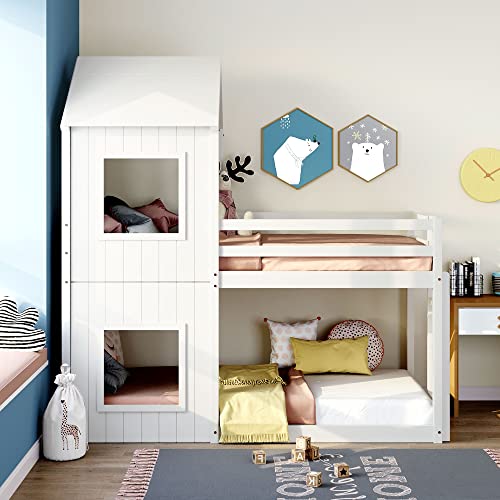
Bunk beds are a common choice for children's rooms, but they're also useful in other settings. They're a cost-effective option to create more sleeping space for guests or adults. Here are some helpful tips for choosing the right bunk bed, whether you're buying one for your kids or for yourself:
Determine the amount of space you require. This will determine the size of the bunk bed and its lifespan. If you have a large family and you want to get the larger size to ensure that all your children are able to fit comfortably.
The age of your child is another aspect to consider. A child who is younger may require a bunk bed that is a bit smaller and safer while an older child might prefer a bigger bed with more space. Selecting the right size bed will ensure your children get the most comfortable and safe night's sleep they can get.
In addition, the type of mattress you select will have an impact on the quality of your bunk bed. For example, an upholstered mattress may be more durable and less likely to wear out quickly.
The last thing to consider is that you must also think about the weight capacity of your bunk bed. Beds that are not constructed properly could be hazardous to people sleeping on both beds. Make sure that the model you choose is in compliance with the weight limits recommended by experts.
While you're shopping, check the product description for recommendations for safety features. In addition to the obvious guardrails, you should also search for side rails with a maximum of 3.5 inches between gaps and less than 15 inches at each end.
Some bunk beds also come with an element of security, such as a sliding door that prevents unauthorized access to the top bunk. This feature is useful for parents with children who are constantly getting out of their beds.
A bunk bed that has an under-bed trundle or drawers for storage is a great option for any room. These options can be particularly useful for teenagers who require extra space to sleep or need a space to do their homework or store their materials.